The place
Mikumi National Park explained
Where Mikumi National Park is, what the Mkata floodplain is, which animals live there and when the park is at its best, from park and tourism sources.
Book the Mikumi day safari ↗Where the park sits
Mikumi National Park lies in Morogoro Region on the Tanzanian mainland. The Tanzania Tourist Board places it astride the main highway to Zambia, 283 kilometres from Dar es Salaam and 118 kilometres from Morogoro town, and Wikipedia gives Dar es Salaam as the nearest city. The park was set up in 1964, according to Wikipedia, and Tanzania National Parks counts more than fifty years of protection. It covers about 3,230 square kilometres, the fourth largest national park in Tanzania.
The Mkata floodplain
The Mkata floodplain is the heart of the park. Tanzania National Parks calls it the main wildlife area and says game drives focus on it, while the Tanzania Tourist Board describes grassland that gives way to miombo woodland on the lower hills, with mountain ranges along the edges. Wikipedia places the alluvial plain of the Mkata River in the north-west, with rock formations of the Rubeho and Uluguru ranges beyond, and adds that Malundwe Mountain inside the park reaches 1,290 metres at its south peak.
The animals
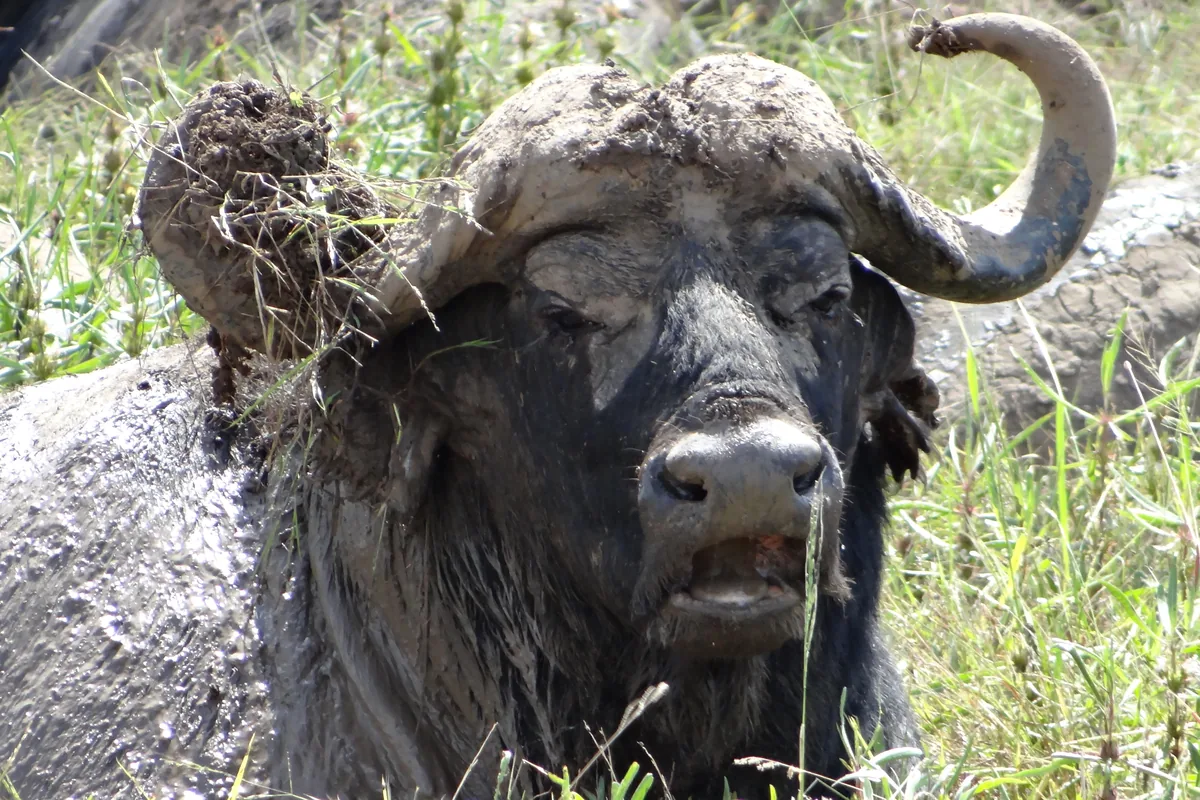
Wikipedia lists elephants, giraffes, zebras, impala, common eland, kudu, black antelope, baboons, wildebeest and African buffalo. Tanzania National Parks names elephant, lion, buffalo, zebra, giraffe, wildebeest and hippo. Safari Bookings adds sable antelope and greater kudu in the wooded foothills, and calls predators less conspicuous but still possible. Birdwatchers have more than 400 species to look for, according to Wikipedia and the Tanzania Tourist Board. A single visit never shows all of this, and no operator can promise a species.
The road through the park
A road crosses Mikumi and divides it into two areas, as Wikipedia puts it, and Safari Bookings says the Tanzam Highway runs straight through the park. That is the highway to Zambia the tourist board mentions, so a main road is part of the picture. The day trip from Zanzibar lands at an airstrip inside the park. Wikipedia describes the south-east as less rich in wildlife and not very accessible, while Tanzania National Parks says game drives focus on the Mkata floodplain.
Seasons
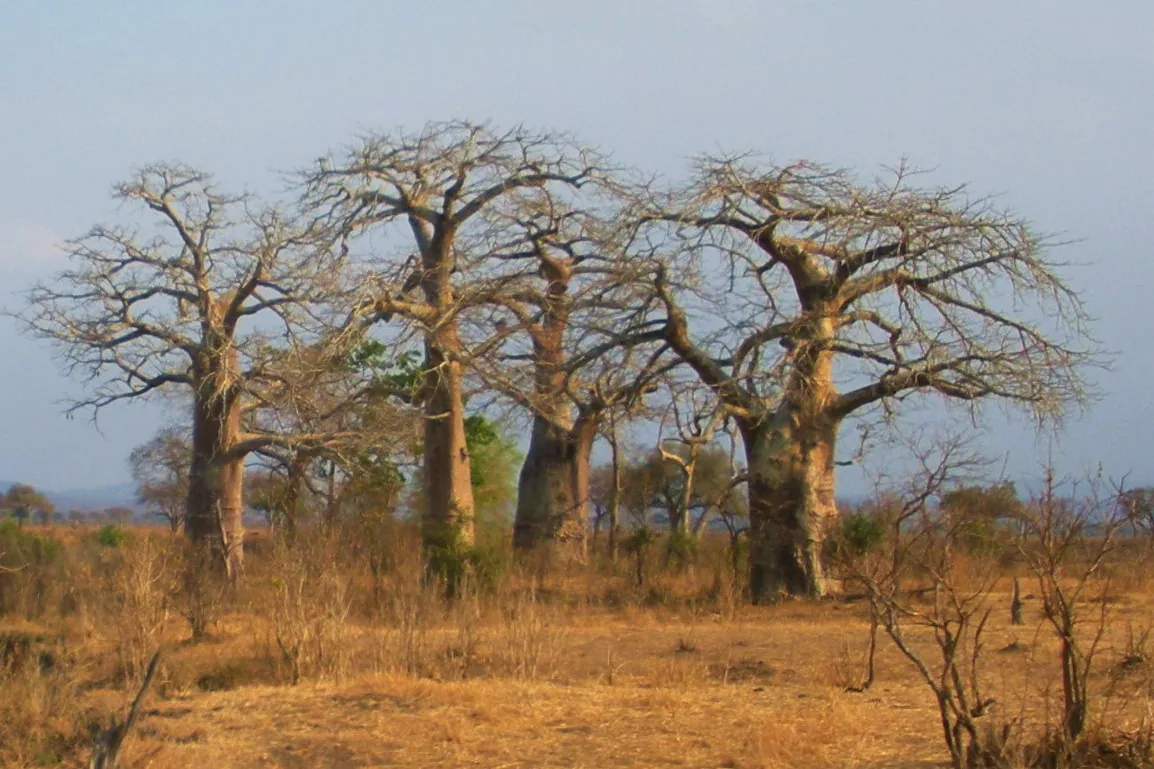
The park is open all year, according to Tanzania National Parks. The dry season, roughly June to October, concentrates wildlife around water and makes animals easier to find, and the green season brings dramatic skies and good birding. Between early April and early June the operator of the Zanzibar day trip warns that weather or airfield conditions can change the safari, so a rainy-season date deserves flexibility. The Tanzania Tourist Board calls year-round sightings almost guaranteed, with the word almost doing real work.
Birds and the smaller things
Wikipedia and the Tanzania Tourist Board both count more than 400 bird species in the park. Tanzania National Parks lists rollers, bee-eaters, hornbills, eagles and other raptors among the birds of the acacia woodland and pans, and adds seasonal waterbirds. The tourist board notes that migratory birds pass through during the rainy season. A day trip leaves little time to stop for birds, but a guide will often point out the colourful ones near the vehicle, and a pair of binoculars earns its place in the bag.
Why the park suits a day from Zanzibar
Mikumi suits a fixed-length day because the drives concentrate on one floodplain, the airstrip sits inside the park, and the park stays open all year. The tourist board lists it as accessible year round, and Tanzania National Parks says wildlife is often seen close to the main circuit. A far larger park would spread the same hours over more ground. That is a reason to choose Mikumi for a first day, not a promise about what you will see.
Mikumi and its neighbours
Tanzania National Parks places Mikumi in the greater Selous–Niassa ecosystem and calls it a gateway to Ruaha and Nyerere. Wikipedia says the park borders the Selous Game Reserve to the south, the two areas forming a unique ecosystem, and that it borders the Udzungwa and Uluguru mountains. Nyerere National Park, carved from the northern Selous in 2019, is far larger than Mikumi. The guide on the two parks compares them for a one-day trip from Zanzibar.
Read next: Mikumi or Selous from Zanzibar
Sources